Disputed Histories
A research platform for collaborative inquiry into official historical narratives.
Istorije u raspravi
Umetničko-istraživačka platforma za kritičko istraživanje zvaničnih istorijskih narativa.
|
Disputed Histories
A research platform for collaborative inquiry into official historical narratives.
Istorije u raspravi
Umetničko-istraživačka platforma za kritičko istraživanje zvaničnih istorijskih narativa.
|
_____________________________________________________________________________________________________________________________________________________
|
/ katalog biblioteke / including other relevant publications sa drugim relevantnim publikacijama
/ uredi katalog / / skenirane stranice / / radionice / 1. Last 50 Years SPAPORT, Banja Luka, 10/2010
2. Joint History from Albanian and Serbian Textbooks
3. Our Own World History
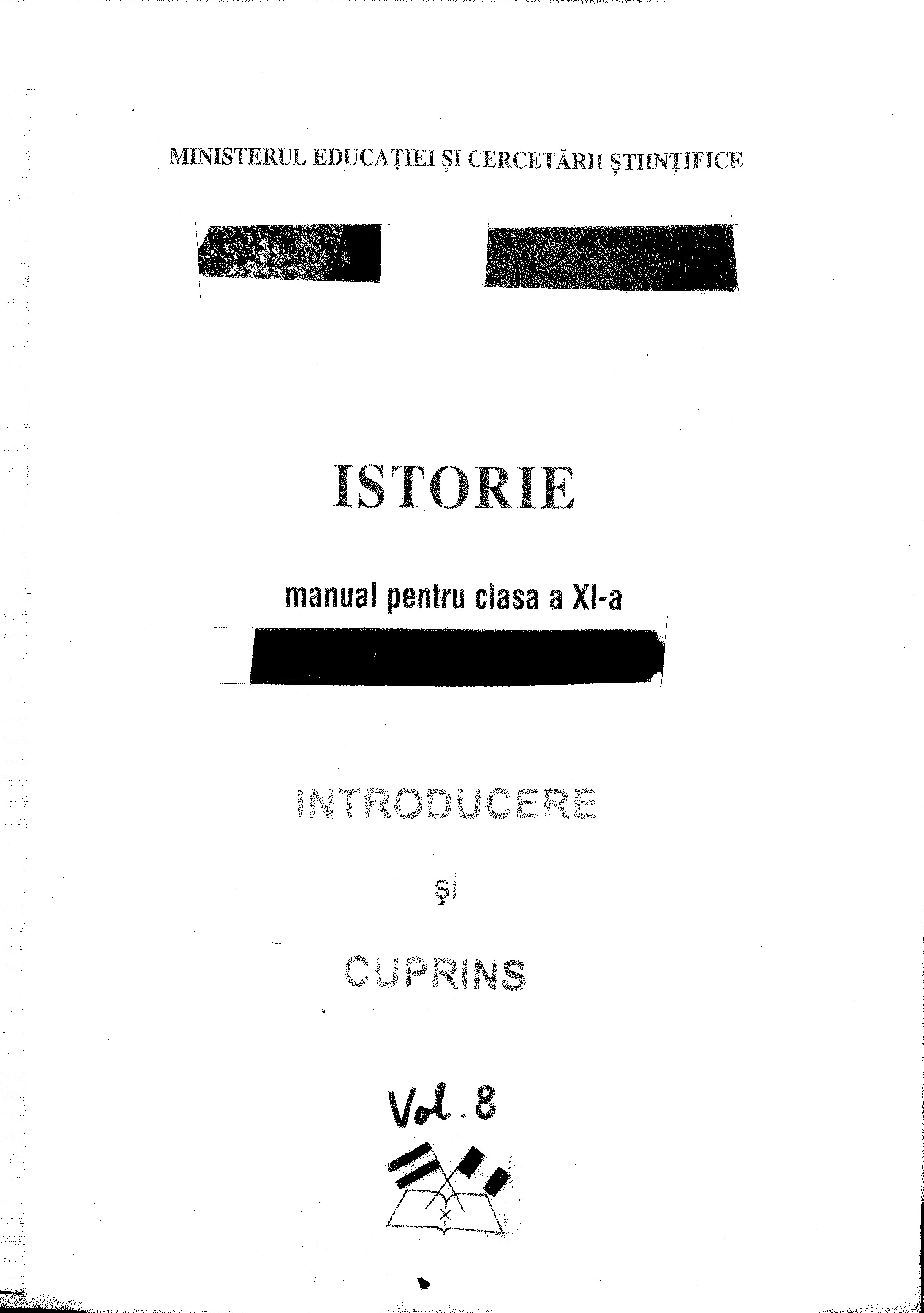
4. False Truths Kultura secanja: Sadasnjost proslosti, Biblioteka Sabacka, Sabac, 12/2012 6. POVIJEST_HISTORIJA OKC Abrasevic, Mostar, 05/2013 7. SOCIJALIZAM NEKAD I SAD SIZ, Molekula, Rijeka, 10/2013 8. SARAJEVSKI ATENTAT doktrinarnim ocima udzbenika BLArt, Incel, Banja Luka, 08/09/2014 9. Prefaces and Contents Transit, Iasi, Romania, 11/2019 photo archieve / fotografska arhiva /
|

With the dismembering of Yugoslavia during the wars of the 1990s and the successive formation of new nation states, the consensus around a shared historical narrative also disintegrated. Diverse versions of history textbooks began to proliferate across the very same geographical territory where, during socialism, a single official narrative had functioned as both reference and unquestioned truth. This process was neither natural nor spontaneous. The revision of official school curricula became a crucial instrument in the production of new collective identities founded upon nationalism and the unquestioned legitimacy of private property—identities required for the dismantling of the socialist commons, the legitimisation of privatisation and the accumulation of capital by the emerging comprador elites.
At the same time, the newly established nationalist and liberal-capitalist frameworks embedded within these revised historical narratives generated new conflicts and antagonisms, reproducing the very divisions upon which the new ideological order had been established.
Disputed Histories employs artistic and collaborative methodologies to investigate the production of official historical narratives as technologies of power. Through collective reading, translation, comparison, and the textual and visual reinterpretation and manipulation of educational materials, the project seeks to reclaim history as a common social practice and as a means of imagining and struggling for more consequential and dignified forms of social organisation.
— Sa raspadom Jugoslavije tokom ratova devedesetih i sukcesivnim formiranjem novih nacionalnih država raspao se i konsenzus o zajedničkom istorijskom narativu. Na istoj geografskoj teritoriji, na kojoj je tokom socijalizma jedna zvanična verzija istorije funkcionisala kao referentna i neupitna istina, počele su da proliferiraju različite verzije udžbenika istorije. Taj proces nije bio prirodan niti spontan. Revizija zvaničnih kurikuluma postala je ključno sredstvo u proizvodnji novih kolektivnih identiteta baziranih na nacionalizmu i neprikosnovenom pravu privatne svojine, tako neophodnih za razgradnju društvenih dobara stvorenih u socijalizmu, legitimizaciju privatizacije i akumulaciju kapitala od strane novonastalih kompradorskih elita. Istovremeno, upravo su novouspostavljene nacionalističke i liberalno-kapitalističke matrice, ugrađene u revidirane istorijske narative, proizvele nove međusobne sukobe, reprodukujući podele na kojima je novi ideološki poredak uspostavljen. Istorije u raspravi koriste umetničke i kolaborativne metodologije kako bi istražile proizvodnju zvaničnih istorijskih narativa kao tehnologija moći. Kroz zajedničko čitanje, prevođenje, poređenje, kao i tekstualnu i vizuelnu reinterpretaciju i manipulaciju udžbeničkih sadržaja, projekat nastoji da istoriju ponovo uspostavi kao zajedničku društvenu praksu i kao sredstvo za imaginaciju i izgradnju konsekventnijih i dostojanstvenijih oblika društvenog uređenja.
The Library constitutes the material and research infrastructure of the Disputed Histories project. It originated in 2006 as a comparative collection of history textbooks from the former Yugoslavia, assembled to enable direct comparison between educational materials that had rarely circulated beyond their respective national contexts. By bringing these publications together in a single collection, the library created the conditions for collaborative reading, comparative research and critical engagement with official historical narratives.
As the project evolved, both the collection and its scope gradually expanded. Today, the library comprises around 400 textbooks and related educational publications from different historical periods. Alongside history textbooks, it includes publications from subjects such as geography, language and literature, sociology, Marxism, Nature and Society, and other educational fields through which historical consciousness is shaped. As workshops and collaborations unfolded in different countries, the collection gradually expanded to include educational materials from those contexts, enabling broader comparative research into the production of official historical narratives.
Accessible for public consultation, the library has remained mobile throughout its existence. It was initially housed at Crna kuća (Novi Sad), then at the Centre for Cultural Decontamination through the Ignorant Schoolmaster project, later at Rex Cultural Centre and is currently housed in the Old Museum section of the Museum of Yugoslavia in Belgrade.
—
Biblioteka predstavlja materijalnu i istraživačku infrastrukturu projekta Istorije u raspravi. Nastala je 2006. godine kao komparativna zbirka udžbenika istorije sa prostora bivše Jugoslavije, sa ciljem da omogući neposredno poređenje obrazovnih materijala koji su retko izlazili izvan svojih nacionalnih konteksta. Dovođenjem ovih publikacija u međusobni odnos unutar jedinstvene kolekcije, biblioteka je stvorila uslove za zajedničko čitanje, komparativna istraživanja i kritičko promišljanje zvaničnih istorijskih narativa.
Kako se projekat razvijao, tako su se postepeno širili i sama zbirka i njen istraživački okvir. Danas biblioteka obuhvata oko 400 udžbenika i srodnih obrazovnih publikacija iz različitih istorijskih perioda. Pored udžbenika istorije, kolekcija uključuje publikacije iz geografije, jezika i književnosti, sociologije, marksizma, prirode i društva, kao i drugih nastavnih oblasti kroz koje se oblikuje istorijska svest. Sa razvojem radionica i saradnji u različitim zemljama, biblioteka se postepeno proširivala i na obrazovne materijale iz tih sredina, omogućavajući šira komparativna istraživanja proizvodnje zvaničnih istorijskih narativa.
Otvorena za javne konsultacije, biblioteka je tokom svog postojanja zadržala mobilni karakter. U različitim periodima bila je smeštena u Crnoj kući (Novi Sad), Centru za kulturnu dekontaminaciju kroz projekat Učitelj neznalica, potom u Kulturnom centru REX, a danas je smeštena u Starom muzeju u okviru Muzeja Jugoslavije u Beogradu.
The workshops function as temporary editorial spaces organised around the Disputed Histories Library. Lasting several days, they bring together participants to collectively read, translate, compare and rework educational materials while producing new publications. In some contexts these temporary editorial spaces were explicitly organised under the title Disputed Histories Editorial Office.
The workshops are intentionally organised around the simplest means available: textbooks from the library, a small photocopier or scanner and printer, occasionally a typewriter, together with basic office materials such as scissors, glue, pencils, markers, correction fluid and paper. Working within strict material constraints is not merely a practical necessity but an integral part of the methodology. The publication emerges directly from the collective process and takes the form of a prototype booklet that can immediately be photocopied, reproduced and further distributed.
Each workshop focuses on a particular historical event, period or social phenomenon. Through collective reading, translation, comparative analysis and the mechanical manipulation of selected textbook excerpts, participants assemble new publications using techniques of collage, montage and editorial composition. The workshops culminate in a collectively produced zine type publication, documenting both the research process and the new relationships established between educational materials.
— Radionice funkcionišu kao privremene redakcije organizovane oko Biblioteke Istorije u raspravi. U trajanju od nekoliko dana, one okupljaju učesnike i učesnice radi zajedničkog čitanja, prevođenja, poređenja i redakcijske obrade obrazovnih materijala, sa ciljem stvaranja novih publikacija. U pojedinim kontekstima ove privremene redakcije organizovane su pod nazivom Redakcija Istorije u raspravi. Radni prostor oslanja se na najjednostavnija raspoloživa sredstva: udžbenike iz biblioteke, mali fotokopir aparat ili skener i štampač, povremeno pisaću mašinu, kao i osnovni kancelarijski materijal poput makaza, lepka, olovaka, flomastera, korektora i papira. Rad u uslovima strogo ograničenih materijalnih resursa nije samo praktična okolnost već sastavni deo metodologije projekta. Publikacija nastaje neposredno iz kolektivnog procesa rada, u obliku prototipa sveske koja se odmah može umnožavati i dalje distribuirati. Svaka radionica posvećena je određenom istorijskom događaju, periodu ili društvenom fenomenu. Kroz zajedničko čitanje, prevođenje, komparativnu analizu i mehaničku manipulaciju odabranim udžbeničkim odlomcima, učesnici i učesnice metodama kolaža, montaže i uredničkog oblikovanja proizvode nove publikacije. Radionice rezultiraju kolektivno proizvedenim publikacijama fanzinskog tipa, koje ujedno dokumentuju sam istraživački proces i novouspostavljene odnose između obrazovnih materijala.
Before discussing history as something that happened to others, or as an abstract body of knowledge transmitted through institutions, participants first reconstruct their own life histories. The workshop therefore begins by making visible the ways in which historical processes have already shaped each participant's existence. History is approached not as an external object of study but as a condition through which we have ourselves been constituted.
Only by recognising ourselves and one another as historical beings can history cease to appear as an alienated body of narratives produced elsewhere, and become a field of shared experience open to critical inquiry.
This initial exercise establishes a common ground from which official historical narratives can be approached without assuming neutrality or detachment. Rather than beginning from ready-made opinions, ideological positions or national identities, participants begin from lived experience, recognising that every interpretation of history is situated within a particular life trajectory.
In this sense, history is not understood as a collection of fixed narratives awaiting analysis, but as an ongoing process through which we become capable of recognising ourselves and one another as historical beings. The workshop therefore shifts attention from the authority of official representations towards the relationships between personal experience, collective memory and institutional narratives.
From this shared point of departure, participants collectively read, compare, translate and reinterpret educational materials, producing new relationships between official histories and lived experience. The objective is not to establish a new authoritative historical narrative, but to create conditions in which history can once again become a common, critical and collective practice.
—
Pre nego što započnu razgovor o istoriji kao nečemu što se dogodilo drugima ili kao apstraktnom skupu znanja posredovanom kroz institucije, učesnici i učesnice najpre rekonstruišu sopstvene životne istorije. Radionica tako započinje osvetljavanjem načina na koje su istorijski procesi već oblikovali egzistenciju svake osobe. Istoriji se ne pristupa kao spoljašnjem predmetu proučavanja, već kao uslovu kroz koji smo i sami konstituisani.
Tek kada prepoznamo sebe i jedni druge kao istorijska bića, istorija prestaje da se pojavljuje kao otuđeni skup narativa proizveden negde drugde i postaje polje zajedničkog iskustva otvoreno za kritičko promišljanje.
Ova početna vežba uspostavlja zajedničko polazište sa kojeg se zvanični istorijski narativi mogu razmatrati bez pretpostavke neutralnosti ili distanciranosti. Umesto da polaze od unapred formiranih mišljenja, ideoloških pozicija ili nacionalnih identiteta, učesnici i učesnice polaze od sopstvenog iskustva, prepoznajući da je svako tumačenje istorije ukorenjeno u konkretnoj životnoj putanji.
U tom smislu, istorija se ne razume kao skup gotovih narativa koji čekaju da budu analizirani, već kao neprekidan proces kroz koji postajemo sposobni da prepoznamo sebe i jedni druge kao istorijska bića. Fokus radionice se tako pomera sa autoriteta zvaničnih reprezentacija ka odnosima između ličnog iskustva, kolektivnog pamćenja i institucionalnih narativa.
Polazeći od ovog zajedničkog ishodišta, učesnici i učesnice zajednički čitaju, porede, prevode i reinterpretiraju obrazovne materijale, uspostavljajući nove odnose između zvaničnih istorija i proživljenog iskustva. Cilj nije uspostavljanje novog autoritativnog istorijskog narativa, već stvaranje uslova u kojima istorija ponovo može postati zajednička, kritička i kolektivna praksa.
|

Vol.1
Our Newest Hysteria
Vol.2
Migrations and Expulsions
Vol.2
Private histories
Vol.3
Istina / Everteta
Vol.3
Personal timeline
Vol.8
Prefaces & Contents |
||
|
"To begin to free ourselves, the first thing we need to do is to see ourselves again as historical actors, as people who can make a difference in the course of world events.
This is exactly what the militarization of history is trying to take away." David Graeber, Debt, The first 5.000 years, p383;



Vahida Ramujkic / home page / contact: vahida(at)irational.org